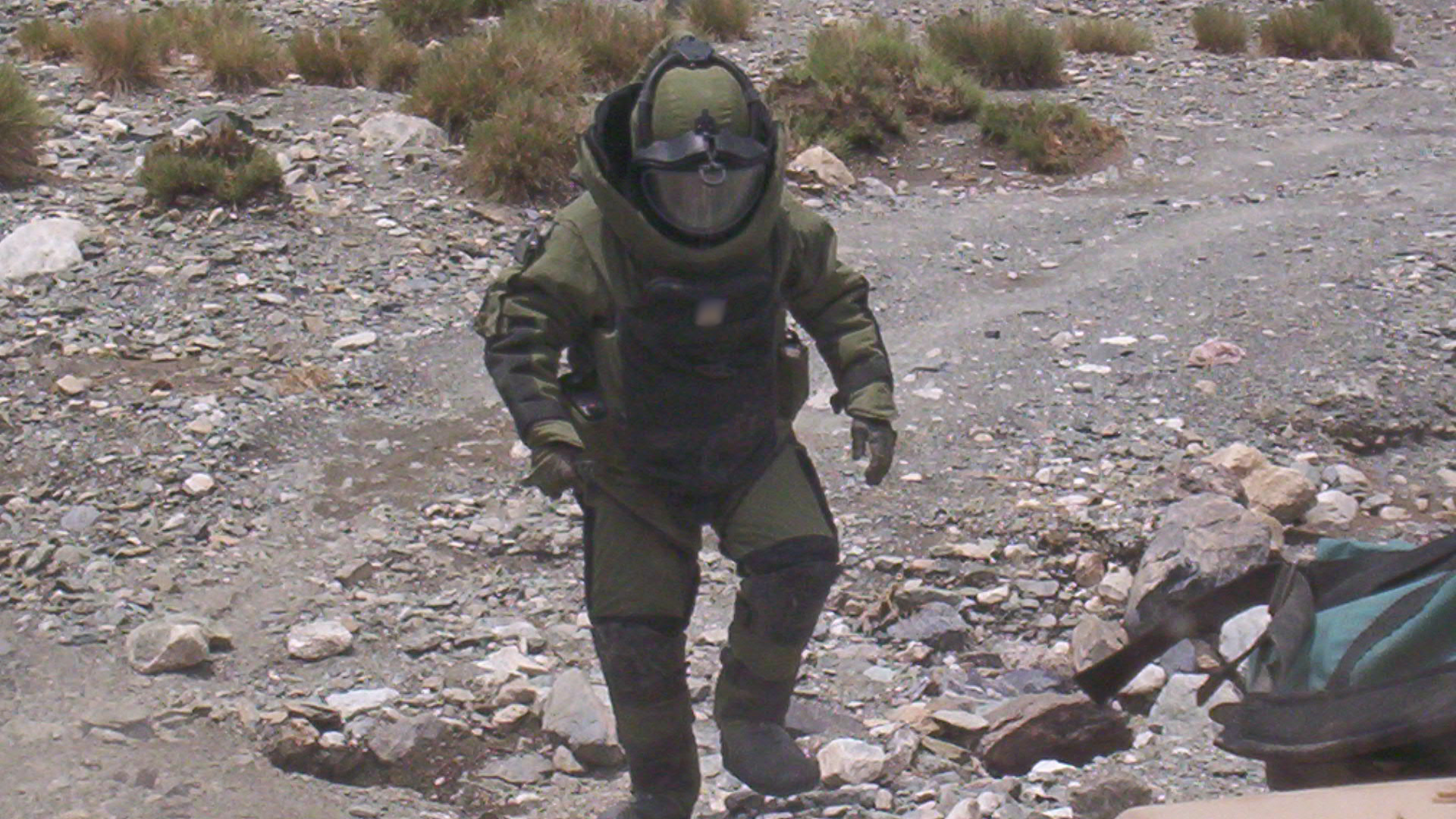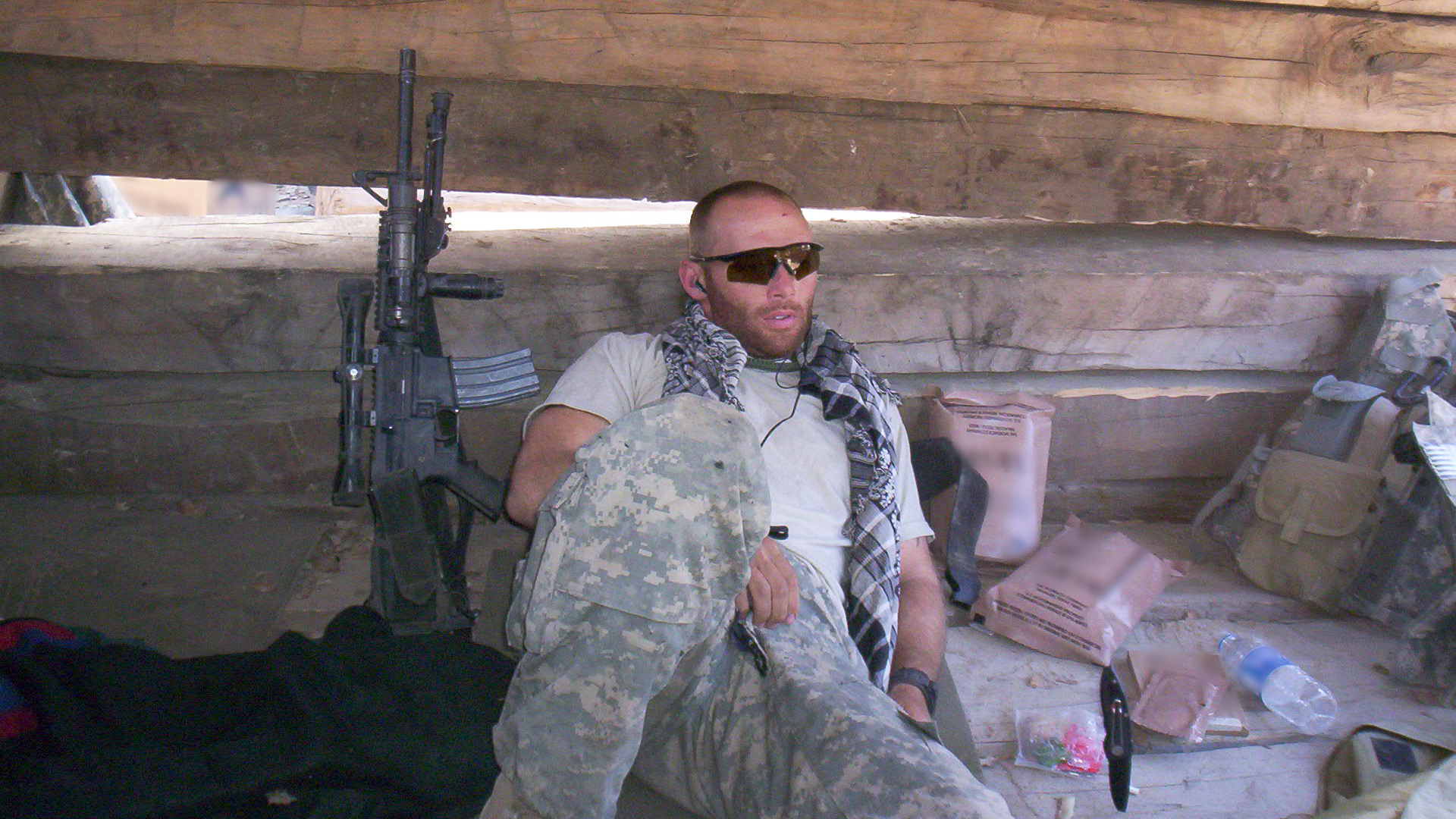
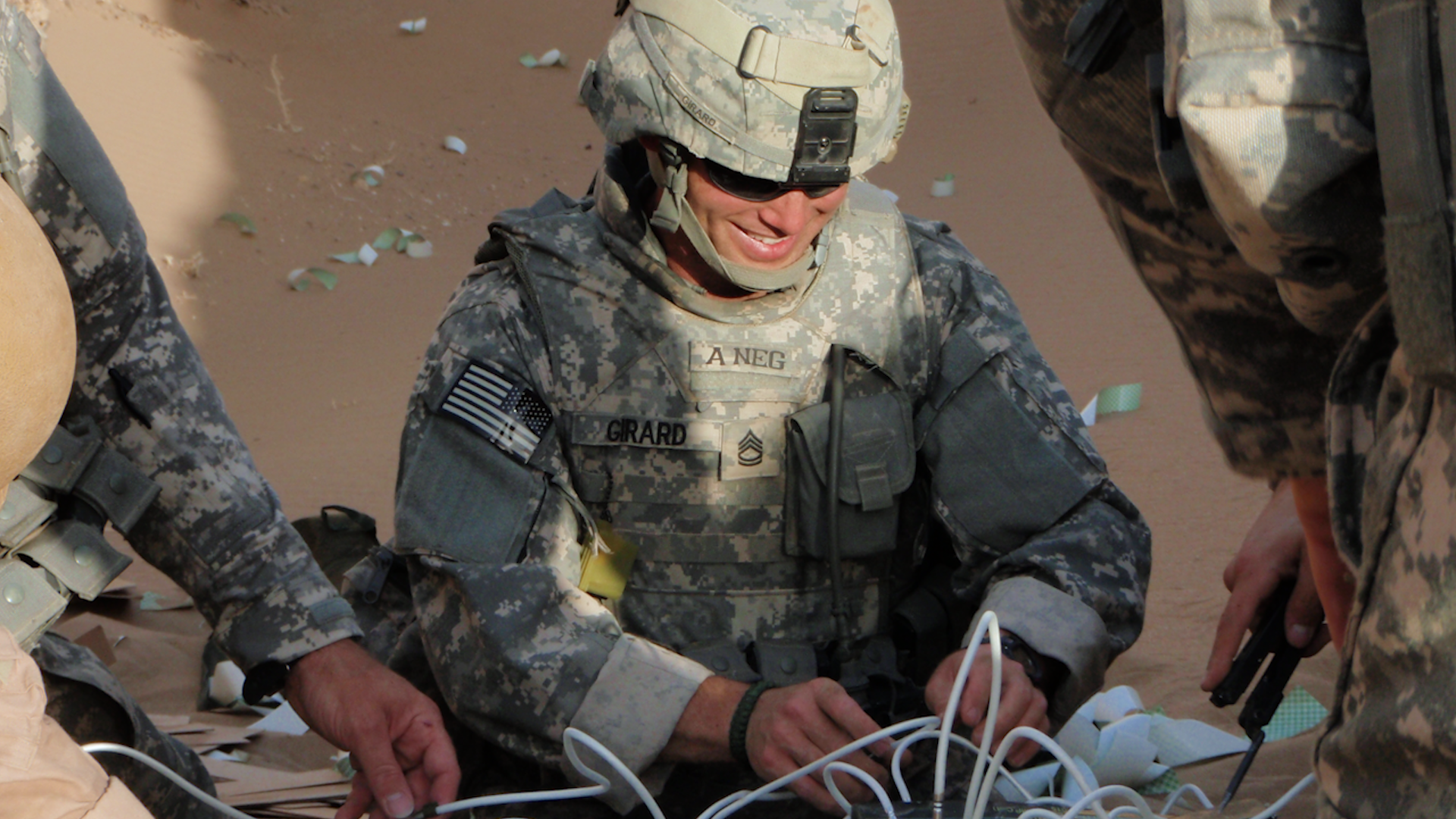
Mike Girard has survived things most people only see in the movies, including digging a live pressure-cooker bomb out of the dirt in Afghanistan and disarming it. Instead of leaving the defused Improvised Explosive Device (IED) behind, he turns it into a still and makes his first batch of moonshine. Back home in Colorado, his newfound passion for distilling turns into a loved local business. But when the memories he’s outrunning catch up, he’s forced to confront a simple truth: surviving isn’t the same as living.
The connection between military trauma and psychological symptoms can be traced all the way back to ancient times.
As long as there has been war, veterans have struggled with mental health. During the American Civil War, “Soldier’s Heart” became the first large-scale attempt to classify these symptoms, though it was initially attributed to a cardiac condition before eventually being recognized as psychological. In World War I, the term “Shell Shock” was adopted and was quickly replaced by “Combat Stress Reaction” in World War II. According to the VA, up to half of WWII military discharges were attributed to “Combat Exhaustion”.
In 1980, the term “Post-Traumatic Stress Disorder” (PTSD) was officially recognized. 29% of living veterans who served in Operations Iraqi Freedom (OIF) and Enduring Freedom (OEF) between 2001 and 2011 have been diagnosed with PTSD at some point in their lives. Given the credible link between PTSD and suicide, this is - quite literally - a matter of life and death for our veterans.